Do you Namaste?
 BY Indu Arora6 min read • July 18, 2019
Who am I to tell you how to feel sacred, connect to people and greet others as long as you remember its roots and purpose. However, You can be a true practitioner without using this phrase!
There is some buzz going around the word Namaste...
I received many messages from my students asking about Namaste and the recent NPR post (NPR: "How 'Namaste' Flew Away From Us" )
First and most importantly: What does Namaste mean? I would highly recommend reviewing this post.
Just to jump-start this, I would like to say:
You don't have to use Namaste as an official link to Yoga and the Yogis/Yoginis, you can be a true practitioner without using this phrase!
Why of "Namaste"
- To invoke and invite the divine beings
- To greet a respected being/an elder
- As a very casual hello
- A way to show respect and admiration in general
- To accept and acknowledge authority (at times)
How of "Namaste"
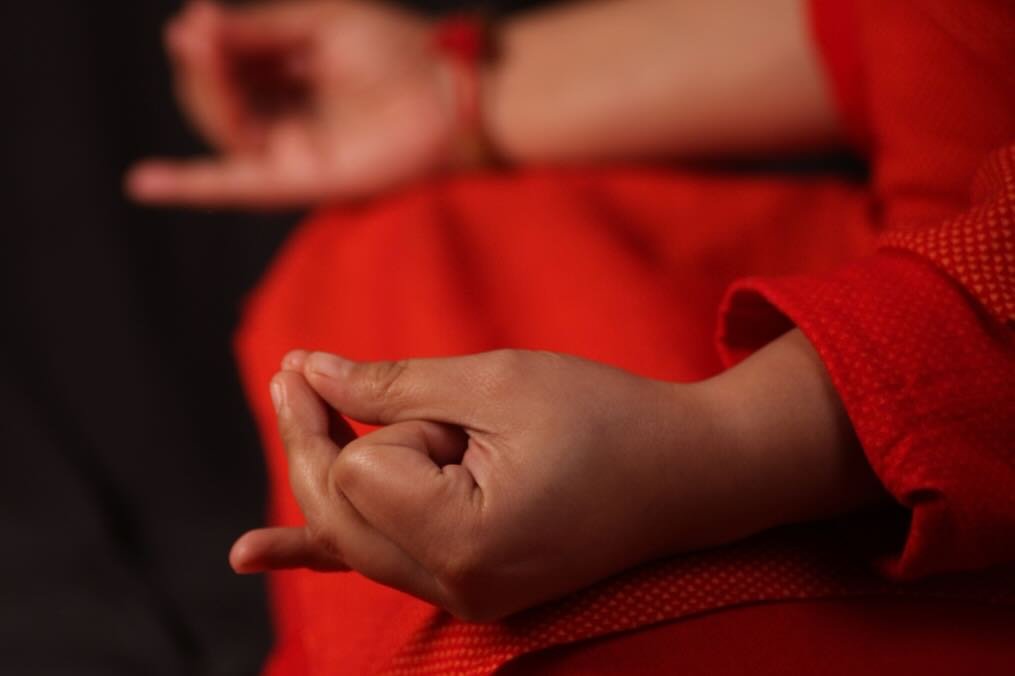
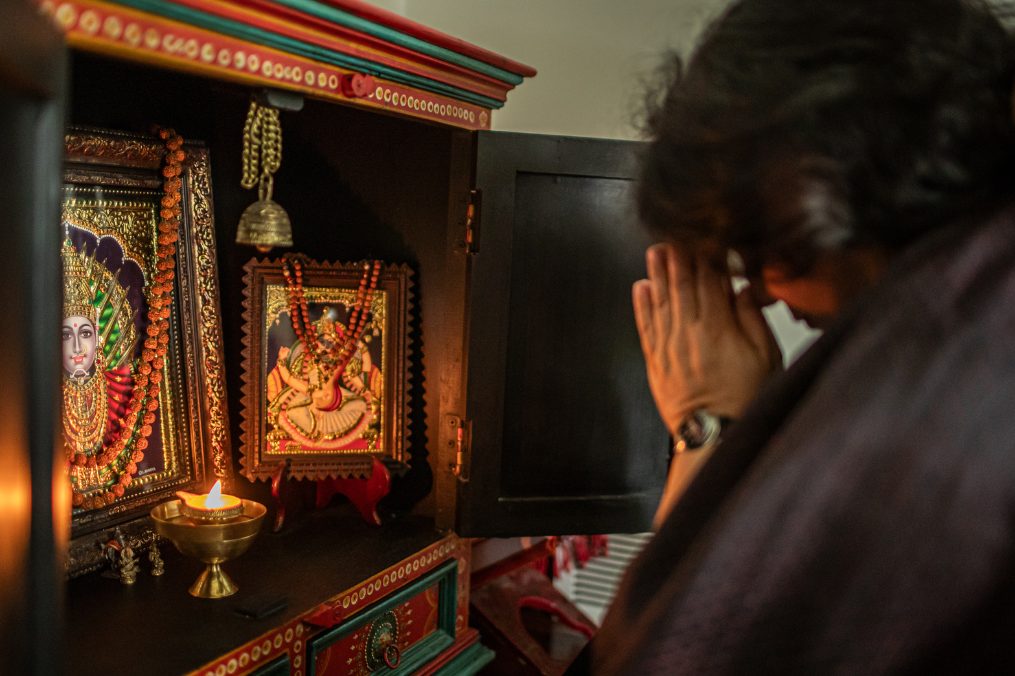
- Done by using hand gesture
- Done by using a body gesture when one lays down on the ground (flat) with arms extended forward held in Namskara Mudra (known as dandavat pranaam)
- Also done by simply bowing the head down
- Also done by simply nodding along with gentle closing of eyes
To me, it is absolutely okay to use this greeting if all you are doing is:
- Welcoming guests
- Using it at the closing of a Yoga practice, if it helps to invoke sacredness in you
- Wish to show some respect and admiration, and this is how it expresses itself most naturally to you
- Are most comfortable expressing your hello as Namaste
- Are in India and meet a local. Although, I must say that even though it is kind of a National greeting, it is very different from how a person from North (namaste, hari om, sat shri akaal, adaab, asalaam- vaalekum, etc.) South (vanakkam, Namaskaara), East (namoshkaara, parnaam) or West India (jai shri Krishna, khammaghani, namaskara) greets each other.
I strongly feel Namaste is not okay:
- If you are changing it to 'nama-slay' or distorting it in any possible way as word-play
- If you are adding a slang after it like Namaste - bi!&$s
- If you are simply showing off this greeting wearing it as a print on t-shirt, hoodie, tank top, on a water bottle, yoga mat etc.
- It is absolutely not okay if it is on the door mat, inside the bathroom, as a tattoo on your foot/leg or back (keeping in mind the original meaning of it, it is a disrespect to the culture), as a print/embroidery on the back pocket of your trousers/ jeans/ shorts or back of your top
- If you are using it as a token to prove your connection to India ,Yoga, Tantra, or Ayurveda. You can be a true practitioner without using this phrase!
- If you think it is mandatory and most classical to start and end a session with this phrase
My head bows in namaste to wisdom, the wise ones, those who who act gracefully in challenging situations, those who chose the difficult yet the righteous path, who invest in self-growth, who try no matter what, who are sincere in their pursuit, who show true valor in speaking their truth, the ones who share from experience and not just fear, belief, or texts, and to those who are genuinely humble. To them, I offer Namaste.
To Namaste or not - Who am I to tell you how to feel sacred, connect to people, and greet others as long as you remember its roots and purpose?
to get more on Yoga and Ayurveda here
Say hello on Instagram
Subscribe to my Youtube Channel.